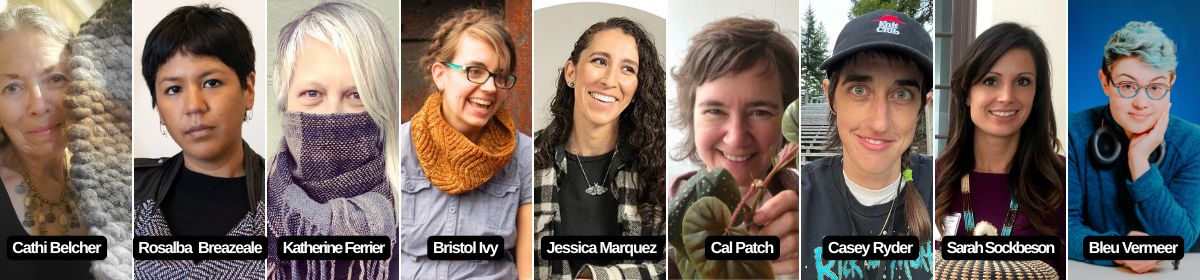
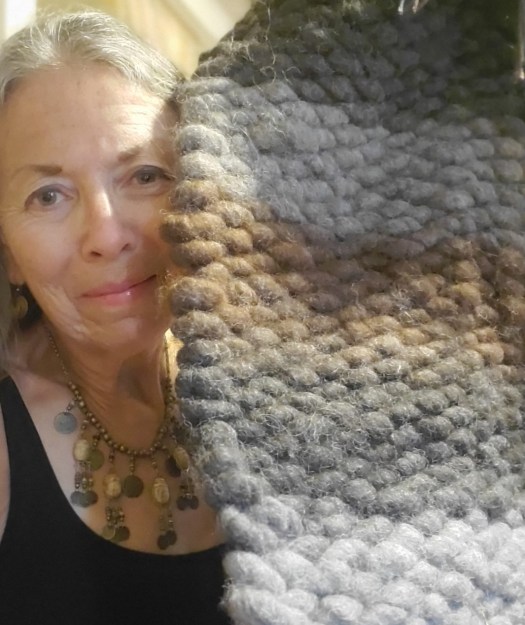
Cathi (Belcher) Crowe is an artist, writer, historical storyteller and the creator of “Harriet Lives!”, an organization dedicated to racial and restorative justice and education, giving interpretations of history as it really happened. She is a co-facilitator of Sacred Ground, a social justice program in Brunswick. During the academic year, Cathi works part time for Bowdoin College as the Educator at the Harriet Beecher Stowe House. A graduate of the Sedona Women’s Institute, she conducts workshops that empower women in all phases of their lives at her small homestead (Moonhaven) on the coast of Maine. She is a Certified Zentangle Teacher (CZT), a meditative drawing technique; as well as a Certified Weaving a Life instructor and Circle Leader. Cathi is the official curator of the Earth Loom at the Common Ground Fair, and one of the Artists in Residence at the Fiber College in Searsport, Maine. She also teaches for two weeks for the last 7 summer s at the Medomak Fiber Arts Retreat. In her free time, she delights in her partner Jeff, and her 4 children and grandchildren, her many friends, and several women’s groups she co-facilitates. She is totally addicted to Sashiko stitching!Cathi’s personal mission in life is to “weave threads of kindness and connection in community”. She helps her partner Jeff run his non-profit organization AOKMaine (www.aokmaine.org).
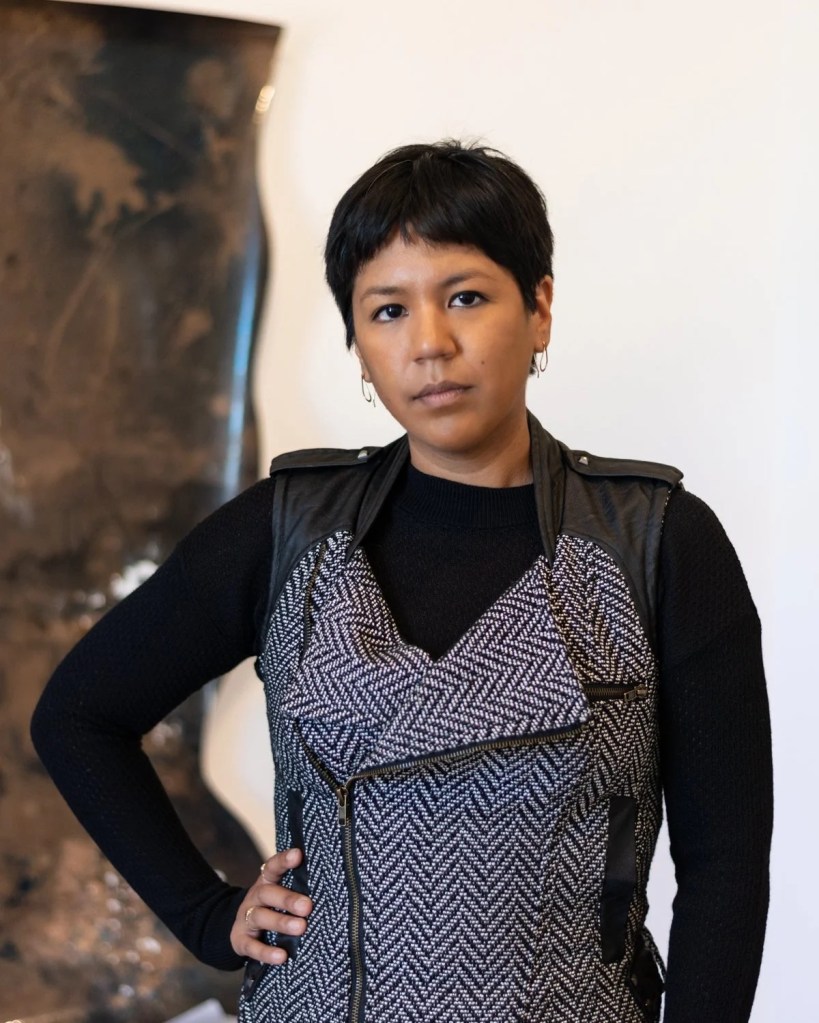
Rosalba Breazeale (they/them, b. 1989) is an artist, educator and studio director at 205 Ocean Ave studios based on the traditional lands of the Wabanaki Confederacy, so-called Portland, ME. They hold an MFA from the University of New Mexico and BFA from the School of the Art Institute of Chicago. Their multidisciplinary art practice encompasses analog, digital and alternative process photography, soft fiber sculpture and installation with an emphasis on regenerative practice. Breazeale’s identity as a Queer, Jewish, transnational adoptee from Peru forms the foundation from which they create work addressing connection to land, diasporic experience, European colonization and related environmental issues. Their work has been exhibited across the United States and internationally including with the London Alternative Photography Collective in England, The Halide Project, SPACE Gallery and most recently, with Tiger Strikes Asteroid: Greenville gallery. Breazeale created a photographic topics class on sustainable photographic processes at the University of New Mexico and has been published in the Sustainable Darkroom’s publication, Re Source. They received Shared.Futures and David C. Driskell fellowships in 2023, attended the Hewnoaks residency in 2024 and gave an artist talk with scientist and collaborator, Jessica Begay, at the 2025 Society for Photographic Education annual conference on their SciArt collaboration, 500 Unheard Legacies. Breazeale is currently creating new work for exhibitions in Rockland, ME and at the Maine Jewish Museum in Portland, ME.
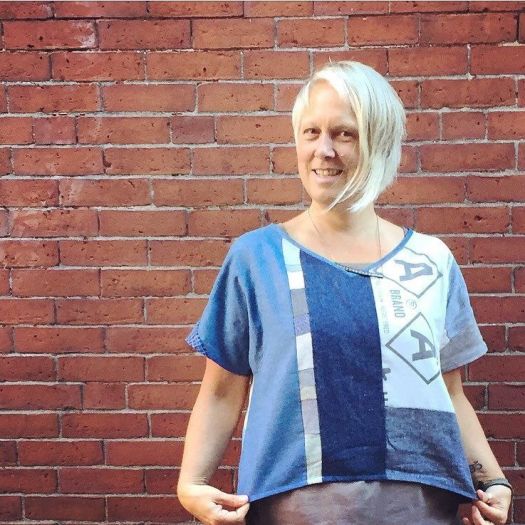
Katherine Ferrier is a queer poet, dancer, maker, teacher, curator, and community organizer, and has been the Director of the Medomak Fiberarts Retreat since 2018. Based in Rockland, Maine, her research grows out of a deep practice of paying poetic attention to the world, and lives in the intersecting communities of movers, makers, writers and activists. She has taught patchwork, slow stitching, felting and writing for makers at Haystack, Snow Farm, The Medomak Fiberarts Retreat, College of the Atlantic, Colby College, Westfield State University, and independent shops and community spaces throughout New England. Her writing has been featured in several magazines and anthologies, including Uppercase Magazine, Contact Quarterly, A Dangerous New World: Maine Voices on the Climate Crisis published by Littoral Books, and the MidCoast poetry Journal, as well as a self-published collection of photographs and poems about making, called Thread Says Stay. She has shown work at The Ice House Gallery, The Buoy Gallery, Speedwell Projects, SPACE Gallery, Cove Street Arts, and the Immersive Media Studio at Bates College. She believes in improvisational patchwork as the radical practice of patience, saying yes, & making space for everyone at the table.
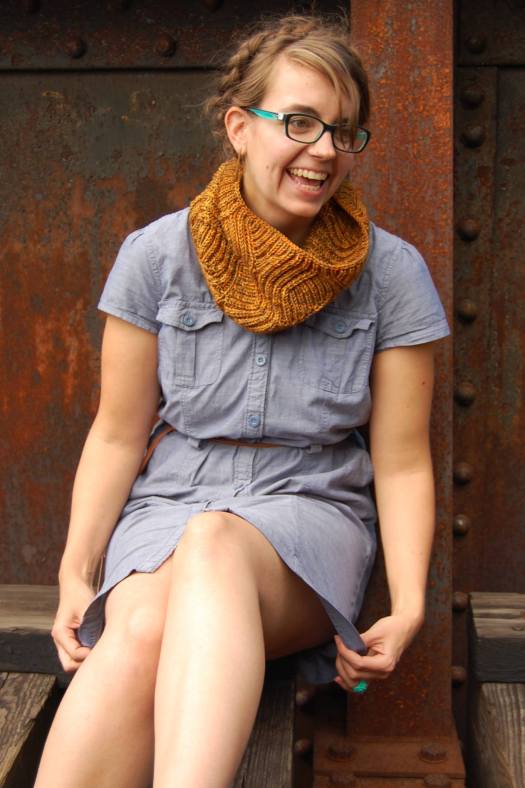
Bristol Ivy is a knitting designer, teacher, and author from Bangor, Maine. Her work has been published with PomPom Magazine, amirisu, Quince & Co., Making Magazine, and her own eponymous pattern line. She has taught at such events as Squam Art Workshops, Edinburgh Yarn Festival, and Vogue Knitting Live, as well as yarn shops worldwide. Her recent books, Knitting Outside the Box and Knitting Outside the Box: Drape and Fold, both with PomPom Press, explore her lifelong commitment to breaking rules and finding beauty in unexpected places. When not knitting, she’s sewing, running, watching far too many British murder mysteries, and baking a mean loaf of oatmeal honey bread. Find her on Instagram and Twitter as @bristolivy.
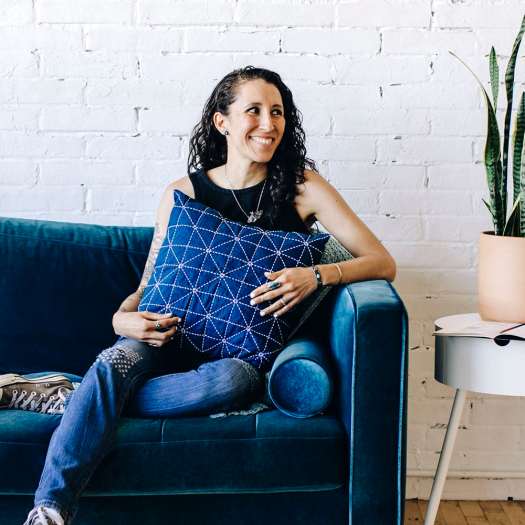
Jessica Marquez is a life long maker who found her way back to textiles while working on an MFA in Photography from Rochester Institute of Technology. taught herself embroidery and then never stopped stitching. In 2008 she started a creative handmade business, Miniature Rhino, named after a young cousin’s imaginary friend, a dentist she called Dr. Rhino. Miniature Rhino became a symbol of creativity and imagination and seeks to inspire and teach hands-on skills through a line of embroidery kits, patterns, classes and books. She’s taught through out the country, internationally and online through Craftsy classes in embroidery and photography. Her work has been featured in publications including, Grace Bonney’s bestselling book, In the Company of Women, Real Simple, Bust, Country Living, and InStyle magazine. She’s written two books Make and Mend (Ten Speed, 2018) and Stitched Gifts (Chronicle, 2012), and a regular contributor to online and print publications such as Mollie Makes and Design*Sponge.
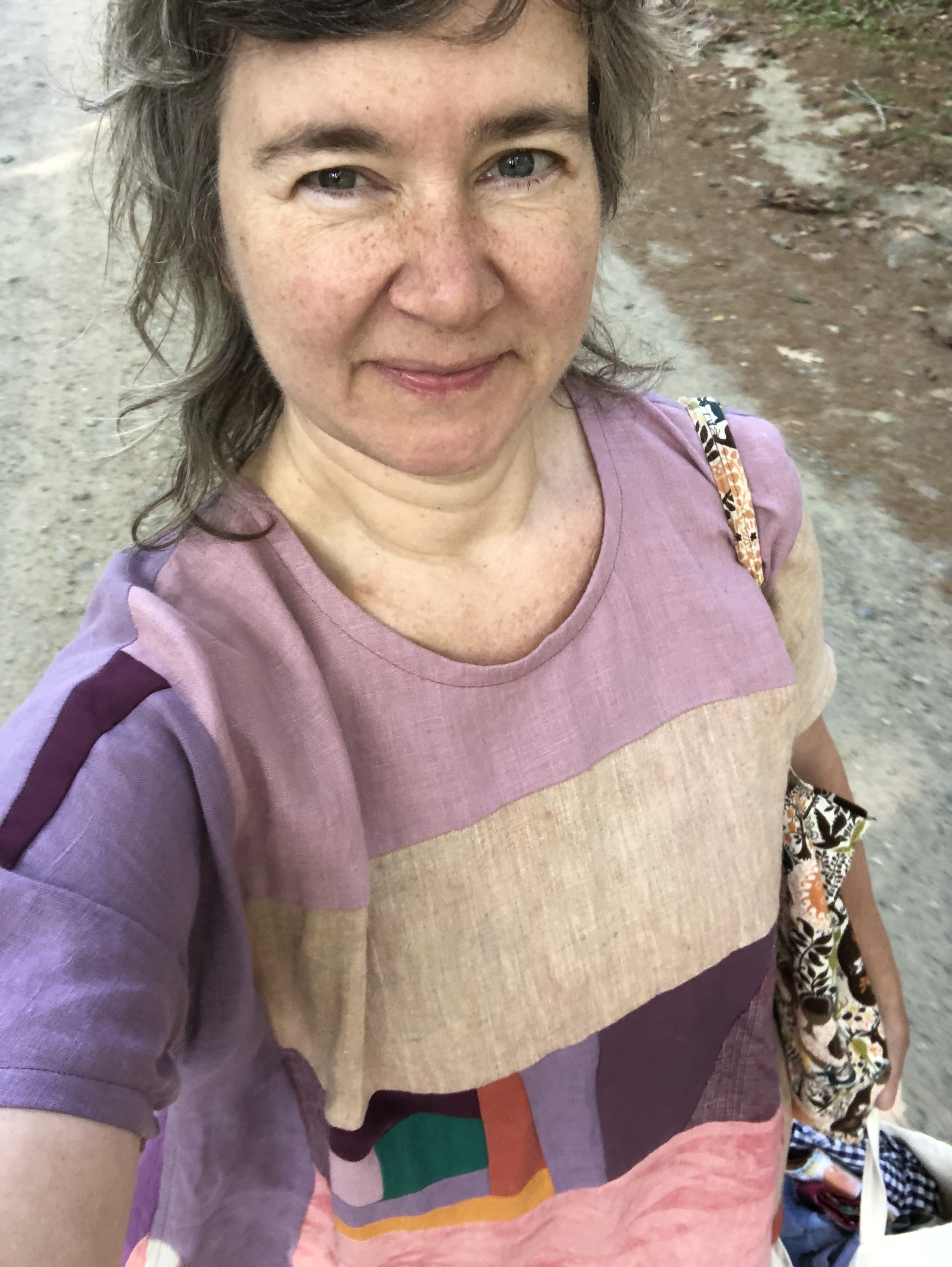
Cal Patch sews, crochets, embroiders, spins, prints, knits, dyes, and more. She loves to combine and layer techniques when possible, hence the original name of her label *hodge podge*. She designed clothing in NYC for Urban Outfitters, Free People, Gap, and Old Navy before developing her own line of one-off pieces. She opened one of the nation’s first craft schools in 2002, and has contributed to books and magazines such as Stitch N’ Bitch: The Happy Hooker, Mend It Better, Applique Your Way, Made by Hand, Crochet Today and Sew Stylish. In 2009 Cal relocated to upstate New York where she is becoming a crafty farmer and growing her handmade wardrobe. She teaches pattern drafting, garment sewing, crochet and other fiber arts, has taught at retreats and events like Stitches United, Squam Art Workshops, A Gathering of Stitches, and Harrisville Designs, and now offers online workshops via Creativebug. Her first book, Design-It-Yourself Clothes: Patternmaking Simplified, was published by Potter Craft.
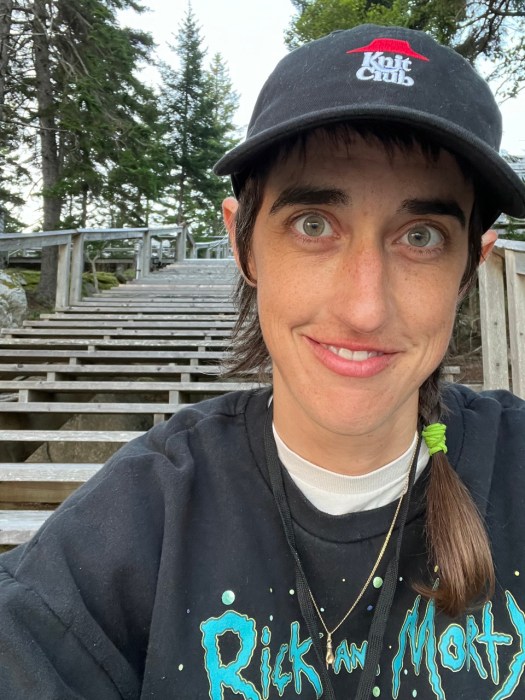
Casey Ryder is the owner of PortFiber, a fiber arts supply shop in Portland, Maine that serves as a hub for fiber folks and makers. Casey regularly teaches wheel spinning, and rigid heddle weaving classes, and invites other fiber arts instructors from around Maine and New England to inspire the community, hosting workshops throughout the year. In 2016, they became the US Distributor of Cashmere People Yarns, a women-run business of hand spinners in Tajikistan & Afghanistan. In 2017, Casey traveled to Tajikistan to meet the women they represent. This opportunity has allowed for more travel around the US, promoting their handspun cashmere and cashgora yarns. You can read about these travels in Tajikistan in the Trade issue of Taproot Magazine. In their spare time, Casey likes to knit, dance, drink coffee, read fantasy novels, and bike or walk around town.
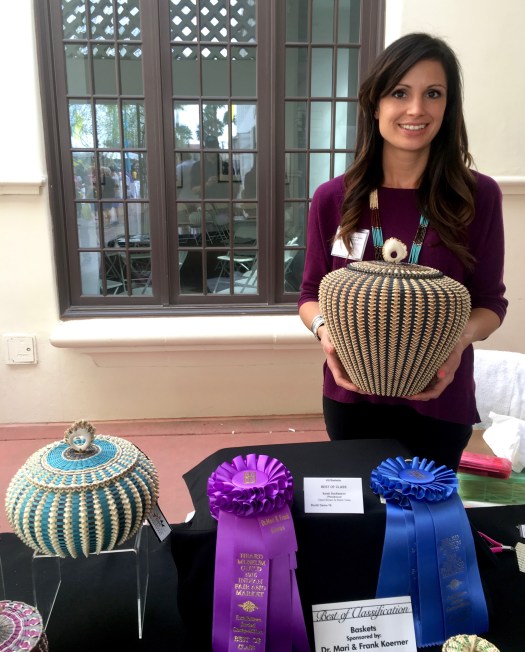
Sarah Sockbeson is an award winning Native American Artist, culture bearer, and member of the Penobscot tribe, creating traditional yet contemporary brown ash and sweetgrass baskets. She is part of a new generation of basketmakers who’ve pushed the boundaries of Wabanaki cultural art to an exciting new level. Growing up within the homelands of the Penobscot, Sarah always had a deep appreciation for traditional art, baskets in particular. Coming from a long line of basketmakers, it was unfortunate the line of knowledge stopped when her great-grandmother passed away before teaching her generation. In 2004, Sarah was introduced to the Maine Indian Basketmakers Alliance, an organization dedicated to preserving cultural knowledge, and it was then she had the opportunity to apprentice with renowned basketmaker Jennifer Sapiel, Penobscot. Since then, Sarah has honed her skills with each basket woven, becoming an integral part of the Wabanaki arts community. She continues to serve as an active participant, teacher/ mentor, and innovator among her tribe and the national Indigenous arts community. While her work is undeniable tied to cultural tradition, she infuses a style all her own, in the hopes that her work will serve as an inspiration to future generations of Native American artists.

Bleu Vermeer is a self-proclaimed “wonder core,” fueled by the giddy excitement of learning something new and sharing that joy with others. They first discovered needle felting as a child in the Vermont wilderness, drawn to its forgiving nature and the freedom to create without worrying about mistakes. That love of fiber craft expanded to knitting, crochet, spinning, and tatting—each offering a different kind of creative satisfaction. By day, Bleu works as the Education Coordinator at Artisans Asylum, a Boston Makerspace, helping makers develop and teach classes. By night (or whenever inspiration strikes), they teach workshops filled with stories, hands-on exercises, and plenty of laughter. Their classes aren’t just about technique—they’re about experiencing the process, embracing happy accidents, and finding the magic in making.
 Medomak Fiberarts Retreat